What is a Franchise REALLY Worth? How to Value any Franchise.

We are indebted to Business Brokerage Press for the following article and information. Business Brokerage Press is the most respected and authoritative source of small business pricing guidelines available.  They may be reached at http://www.bbpinc.com.

__________

From the October newsletter of Business Brokerage Press:

From the upcoming 2013 Business Reference Guide, we have listed franchises with a “quick” rule of thumb, or range, usually expressed as a percentage of sales. For many of them we have based it on quite a few actual sales; others may have been based on just a few; and, in some cases, just one where we felt it was appropriate. They can be a good starting point for pricing the business.

Many of the franchises are well known while others are very new with just several units. By the time this goes to press, some of the franchises may have folded, sold or merged. We try to keep this as up-to-date as possible. We could use your help. To contribute to our ever-growing list, just complete the franchise resale form on our web site. Please also email tom@bbpinc.com if you find that a franchise has disappeared or merged, etc. Obviously the big changes such as Mail Boxes to UPS Store will be caught by us or by our researchers (hopefully).

Keep in mind that rules of thumb are just that. Every business is different and rules of thumb will never take the place of a business valuation or even an opinion of value. Rules of thumb are also not intended to create a specific value or to be used for an appraisal. But, they will give you a quick ballpark idea of what the business might sell for with everything else being equal. A rule of thumb will tell you whether a seller is in the ballpark when he or she tells you what they think their business is worth or what they want to sell it for.

For up-to-date information and for those companies where the number of units is not shown, track down their web site. Read the footnotes where indicated.

FRANCHISE LIST – A thru C:

A number in parentheses beside a franchise indicates a note at the end of the list.

Ace Cash Express 1.25

Ace Hardware stores (1) 45%

Adam and Eve 35%

Andy on Call 25%

Aero Colours 70%

All Tune & Lube 20 – 25%

AlphaGraphics 60 – 65%

Allegra Printing 60 – 65%

American Poolplayers Association (APA) (2) 140%

Andy OnCall 25%

Arctic Circle 40%

Atlanta Bread Company 25 – 30%

Baskin-Robbins Ice Cream 45 — 50%

Batteries Plus 30 – 35%

Beef O’Brady’s 22%

Ben & Jerry’s 35 – 40%

Between Rounds Bagel Deli & Bakery (3) 40 – 45%

Big Apple Bagels 35 – 40%

Big City Burrito 55 – 60%

Big O Tires  – 35%

Black Jack Pizza 45 — 50%

Blimpies 45 — 50%

Boba Loca 30%

Bresler’s Ice Cream 35 – 40%

Bruster’s Ice Cream 50%

Budget Blinds (4) 45 – 50%

Burger King 40%

Camille’s Sidewalk Café 30 – 35%

Carl’s Jr 40 – 50%

Cartridge World 30 — 35%

Carvel Ice Cream/Restaurants 55%

Car X Auto Service 35 – 40%

CertaPro Painters 45%

Chester’s International 45%

Cheeburger Cheeburger 35 — 40%

Chick-Fil-A 60 – 70%

Closets by Design 50%

Closet Factory 50%

Cold Stone Creamery 30%

Conroy’s Flowers 55 – 60%

Cost Cutter’s Family Hair 55 – 60%

Coverall Cleaning Systems (5) 2–3 times mo. sales

Culligan Dealerships 80 – 120%

Curves for Women (6) 35 — 40%

(1) Sales seem to indicate that smaller sales bring a higher multiple (50% +) than stores with sales over a million, which seem to bring lower multiples. Price is plus inventory which may be the cause of lower multiples for larger stores.

(2) $1,000 to $1,800 per team in sales; selling price – $2,000 to $2,500 per team

(3) 3 – 4 times earnings

(4) 2 times annual EBIT, plus inventory & equipment

(5) Master/Area developer – Sell for 3 to 5 times earnings plus some blue sky for size and potential of market (some cases).

(6) Prices for Curves for Woman seem to be all over the place. Some sales have been reported at 75+% of sales. One sale reported was 1.31 times sales for four units.

__________

FRANCHISE LIST – D thru L:

A number in parentheses indicates a note at the end of the list.

Dairy Queen 45 — 50%

Deck the Walls 35 – 40%

Del Taco 90%

Dick’s Wings and Grill 35%

Dollar Discount Stores 20%

Domino’s Pizza 50 – 55%

Dream Dinners 45%

Dr. Vinyl 75%

Dry Cleaners USA 55%

Dunkin’ Donuts (7) 75 – 80%

Eagle Transmission Shops (8) 40%

Environment Control 42%

Fantastic Sam’s (9) 35 – 40%%

Fast Fix (Jewelry) 80 – 85%

Fast Frame 32%

FasTrac Kids 45%

Fast Signs 42 – 46%

FedEx Ground 65 – 70 %

Firestone Tire Stores 35%

Floppy’s Mouse Club 70%

Foot Solutions 60%

Framing & Art Centers 60%

Friendly Computers 30% — 35%%

Friendly’s Restaurant 40%

Geeks on Call (Australia) 60%

General Nutrition Centers 40%

Godfather’s Pizza 28%

Goin’ Postal 30 – 35%

Goodyear Store (Business Opportunity) 35%

Grease Monkey 50%

Great Clips 1 – 1.5 SDE

Great Harvest Bread Co. (10)

Great Steak 50– 55%

Grout Doctor 85 — 90

Hallmark Cards 40%

Harley-Davidson Motors (11) 87%

Heavenly Hams 30 — 35%

Home Helpers 35%

Home Team Inspection 35%

Honest 1 Auto Care 70 %

House Doctor 24%

Hungry Howie’s Pizza & Subs 35%

Huntington Learning Center 60%

i9 Sports 65 – 70%

Iceberg Drive Inn 40 – 45%

Jani-King 26-5 — 30%

Jersey Mike’s Subs 50%

Jiffy Lube 50%

Jimmy Johns 65 — 70%

Johnny Rockets 75%

Jon Smith Subs 20%

Juice It Up 24%

Kentucky Fried Chicken (KFC) 30 – 35%

Kuman Math & Reading Centers 80 – 90%

Kwik Kopy (printing) 50 – 60%

Lady of America 45 — 50%

Laptop Xchange 85 — 90%

Lenny’s Subs 15%

Liberty Tax Service 40%

Lil’ Dino’s Subs (12) 64%

Little Caesar’s Pizza 55%

Logan Farms (honey-glazed hams) 30%

(7) Dunkin Donuts shops now sell for 75 – 125% of annual sales, depending mainly on geography. It’s about 125% in New England, 100% of sales in the Mid-Atlantic States, and lower in the South and Midwest. There really is not a Dunkin Donut market in the West. A sale in Colorado was reported that sold for 22% of sales.

(8) Eagle is a Texas based franchise http://www.eagletransmission.com. They are the strongest transmission franchise in the Dallas area with 21 locations and are a minor player in Houston and Austin. The attraction is the royalties at 4% in Dallas and 6% Houston and Austin, and the training is “hands on” locally.

(9) These stores sell for maximum 2 times SDE versus $120,000 to $150,000 + for new. 10 to 12 sales have been reported at 2 times SDE for absentee owner stores (most are) and 2 times SDE + manager’s salary of owner operated.

(10) 3.3 – 3.4 times SDC

(11) Netted $2,100,000 and seller retained 20% of ownership

(12) One sold for 80% of sales, but it was located in an office building with vending rights.

__________

FRANCHISE LIST – M thru Z:

A number in parentheses indicates a note at the end of the list.

MAACO Auto Paint 40%

MaggieMoo’s Ice Cream (13) 32%

Maid Brigade 45%

Mama Fu’s 30%

Marble Slab Creamery 45 — 50%

Martinizing 60%

McGruff’s Safe Kids ID System 52%

Meinke Car Care Center 30 – 35%

Merry Maids 45%

Midas Muffler 35 – 40%

Minuteman Press 65%

Molly Maid 40%

Money Mailer 40 – 45%

Mountain Mike’s Pizza 27%

Moto Photo 72%

Mr. Gatti’s Pizza 25 – 30%

Mr. Jim’s Pizza 35 – 40 %

Mr. Payroll 1.3%

Mr. Rooter Plumbing (14)

Mrs. Fields Cookies 68%

Murphy’s Deli 50%

Music Go Around 40 %

My Favorite Muffin 30 — 35%

Nathan’s Famous 100%

Nature’s Way Café 45%

Natural Chicken Grill 25 – 30%

New York Pizzeria 35 — 40%

Obee’s Soup/Salad/Subs 55 — 60%

Oil X Change 30%

Once Upon A Child 25%

Orange Julius 32%

Original Italian Pie 35 — 40%

OXXO Dry Cleaners 65%

Pak Mail 50%

Panera Bread 35 – 40%

Papa Johns PIzza (18)

Papa Murphy’s Pizza 35 – 40%

Parcel Plus 25%

Petland 57%

Pillar to Post – Home Inspection 40%

Pizza by George 50%

Pizza Factory (15) 35%

Pizza Inn 47%

Planet Beach 35 — 40%

Play It Again Sports 40 — 45%

Precision Tune Auto Care 36%

Pump It Up 30%

Purrfect Auto 50 – 55%

Quaker State Lube 50%

Quizno’s Classic Subs (16) 25 — 30%

Red Robin Gourmet Burgers 32%

Reniassance Executive Forums 75%

Rocky Mountain Chocolate 65 – 70%

Rita’s – Ices, Cones, Shakes 80 – 1.3%

Roly Poly Sandwiches 34%

Safe Ship 40%

Samurai Sam’s Teriyaki Grill 50%

Sarpino’s Pizza 50%

Sears Carpet & Upholstery Care 30%

Senior Helpers 40 – 45%

ServiceMaster Clean 55 – 60 %

Serv Pro 90%

Shell Rapid Lube (Business Opportunity) 50%

Signarama 55 – 60%

Sir Speedy (printing) (17) 55 – 60

Smart Box 48%

Smoothie King 40 – 45%

Snap Fitness 40%

Soup Man (Original) 30%

Subway (18) 65 – 70 %

SuperCoups 40 – 45%

Superior Inspection 1.3%

Swisher (restroom hygiene service) 75%

Taco John’s 31%

Tan USA 60 – 65%

TCBY 40 – 45%

The Maids 40 – 45%

Togo’s Eatery 60 – 65%

Topz Healthy Burgers 40%

Tropical Smoothie Café 55 — 60%

Two Men and a Truck 43%

U Save (auto rental) (18) 10 – 15%

UPS Stores 40 – 45%

Valpak Mailers 3 SDE

Valvoline Instant Oil Change 50%

We the People 86%

Wild Birds Unlimited 30 – 35%

Wine Kitz (Canada) 55%

Wingstop Restaurants 33%

Wireless Toyz 45 — 50%

Worldwide Express 50 – 55%

Your Office USA 60%

You’ve Got Maids 60%

Ziebart International (auto services) 42%

Zoo Health Club 20%

(13) One MaggieMoo’s Ice Cream & Treatery sale was reported at 92%, three years old, great location, growth at 15% approx a year; but only 15% down payment

(14) 1 – 4 times SDC plus hard assets. The number between 1 – 4 depends on several factors such as the owner operating a truck, etc.

(15) Pizza factory has approximately140 units in the 10 Western States.

(16) Two sales in the Western states were reported at 99% of sales and another at 65% of sales. However, two sales in the lower Midwest were reported at 38% and 40%. One sale in New York was reported at 48% of annual sales, another in Massachusetts at 51% and one in Nevada at 45%.

(17) One sale was reported at 70% of sales.

(18) “As a former multi-unit Subway franchisee and a Development Agent, now a business broker Subway stores, there are many different formulas I have seen. 30 to 40 weeks sales, or 60 to 70% of sales is a popular one. Actual sales price depends on supply and demand and is closer to 70% of sales in So. CA.”

“On stores with gross sales of $300,000 to $500,000, multiple of 40% of annual sales. On stores with sales of $500,000+, multiple of 50% of annual sales. Franchisor would like 30% as a down payment on resales.”

“I would suggest for Subway, in New England and maybe all of New England, due to the high number of pizza restaurants, Subways tend to sell for a much lower of percentage of sales than 47% — sometimes as low as 20 – 25%.”

(19) Price does not include cost of vehicles, and revenues do not include auto sales.

#    #     #

William Bruce is a business broker and appraiser who subscribes to the Business Brokerage Press publications.  He consults nationally on issues involved in business transfers and valuation.  He may be reached at WilliamBruceOnline@gmail.com or (251) 990-5934.  His business brokerage website may be viewed at www.WilliamBruce.net.
 

Posted in Business Valuation & Appraisal, Franchises, Valuing, Buying or Selling a Business | Tagged , , , , , , , , , , , , , , , , , , , , , , , , , , , , | 69 Comments

What Is a Master or Regional Franchise?

Updated March 24, 2021 by William Bruce, President, American Business Brokers Association.

Sometimes called regional franchises, a master franchise is a special type of franchise agreement that gives an entrepreneur the exclusive rights to sell or open a given number of franchises in a large geographical area.

Stated another way, it is the owning of the rights to develop a franchise system within a territory.  The territory can be a metropolitan area, an entire state, several states or a whole country.

It is common for master franchises to encompass an area containing millions of people.  In these territories, the entrepreneur who obtains the master franchise rights controls where all franchise locations will be and how many will be built; however the master franchise agreement may specify the number and a timetable for development.

This system may be one of the least known business ownership opportunities available today.  The master franchise model allows the entrepreneur to build a large business operation within a relatively short period of time with a concept that has already been developed by the franchisor.  Entrepreneurs with the necessary capital and management talent can experience significant growth and value appreciation.

The investment in this type of franchise may be large, but the rewards can far exceed those of other franchise opportunities.

This is usually a low-overhead business requiring few if any employees in the beginning.  With hard work and the right franchise, the territory can be methodically built into a business worth millions of dollars.

Increased Revenue Potential

As a master franchisee, the methods of generating income are expanded versus a traditional franchise. With a traditional franchise, the business owner is generally only offering the product or service directly to the end-use customer such as in a retail outlet. With a master franchise, the entrepreneur enjoys several very important advantages:

  • When a master franchisee sells a franchise to a buyer in the territory, he/she receives a portion of that franchise fee. Some agreements allow the master to retain up to half of the net franchisee fee.
  • The master has the option of opening their own additional franchise locations at a significantly reduced franchise fee.
  • The master earns on-going monthly royalties from the services performed or products sold in the territory.  Once the master has set up the franchisee, he/she receives royalty income for the rest of the life of that franchise, usually 2% to 4% of the franchisee’s volume every month.
  • If real estate is involved with the franchisee’s location, often the master can become involved in development of sites and receive other types of real estate related income. This type of income is optional for the master franchisee.

The master’s main responsibility will be to act as a business consultant to his/her franchisees and help them succeed in their own business.

These are key characteristics of the typical master franchise:

  • Very few customers: The master’s customers are the franchisees. The master helps support a small number of franchisees who may own several franchise units each.
  • Very few employees: Typically a master franchisee will work without employees in the beginning and add staff as the business grows.
  • Very little office space: Many master franchises can get started out of a home office and expand to an outside office as needed.
  • Master franchisees can build equity in the business at a much faster rate than a normal business. Once a few franchises are sold or opened, the value of the business increases significantly. Not only does the master have an existing business with cash flow, but additional franchise opportunities to sell, which gives the entrepreneur a higher business valuation.  Instead of the typical 2 to 3 times multiple of earnings for most business appraisals, a master franchise territory could average a valuation of between 4 to 5 times earnings.
  • A master franchise entrepreneur doesn’t need prior experience in the specific industry.  Extensive industry specific training and support from the corporate office in included in the initial investment.

Skills Needed as a Master Franchisee

  • Management or sales experience. Real life experience owning or running a business is helpful. Sales and marketing experience can also be valuable.
  • Good people skills. The master will be dealing with franchisees and will need to treat them like customers, which they are.
  • The ability and desire to follow a proven system. The right franchise system is fully developed for success.  Don’t invest in a master franchise unless you believe you can follow the company’s system.
  • Financially qualified. Franchise fees for a master franchise will typically range from $150,000 to $500,000 to invest in an exclusive area. In addition, an entrepreneur will need operating capital.  Typical operating capital requirements will range from $25,000 to $200,000 depending on several variables.

Not all franchisors offer master franchise agreements.  And some that did in the past are now sold out.

William Bruce has personally investigated many franchises but selected only a few master franchise opportunities to offer to entrepreneurs.  The opportunities have been highly screened.  Criterion for selection includes a solid, non gimmicky concept, a multi-year track record of success and earnings that are fully documented in disclosures properly filed with the federal government.

As one example of the opportunities uncovered, investigated and now recommended is a niche retail store that has earned a net profit of over $300,000 for several years in a row.  This flagship store is 30 years old and is now franchising.  The master franchise investment for this opportunity averages $426,000 and gives the master franchisee the opportunity to open multiple stores in a large territory.

If you think master franchising might be right for you, please contact William Bruce to take the next step in your investigation of the opportunities.  He may be reached at (251) 990-5934 or by email at WilliamBruceOnline@gmail.com.

#     #     #

For our article on the best and worst franchise investments based on SBA loan default rates, please click here.

If you found this content interesting, share it using the links below:

Posted in Business Valuation & Appraisal, Franchises, Valuing, Buying or Selling a Business | Tagged , , , , , , | 4 Comments

Small Business Survival Index Ranks States for Entrepreneurship

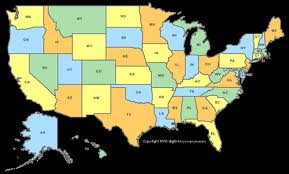
The Small Business and Entrepreneurship Council has released its 2011 ranking of the states according to their public policy climates for small business and entrepreneurship in the “Small Business Survival Index.”

The Index stands out as a comprehensive measure of how friendly or unfriendly states are for small business in terms of public policy decisions. The factors included in the Index – taxes, various regulatory costs, government spending and debt, property rights, health care policies, energy costs, and much more – matter to the competitiveness of each state and to the well being of small business.

The 2011 Index has been expanded to cover 44 major government-imposed or government related costs affecting small businesses and entrepreneurs. The measures are  added together for an overall rating.

The top 15 states are: 1) South Dakota, 2) Nevada, 3) Texas, 4) Wyoming, 5) South Carolina, 6) Alabama, 7) Ohio, 8 Florida, 9) Colorado, 10) Virginia, 11) Washington, 12) Mississippi, 13) North Dakota, 14) Utah, and 15) Arizona.

Meanwhile, the bottom fifteen are: 37) North Carolina, 38) Maryland, 39) Hawaii, 40) Illinois, 41) Iowa, 42) Massachusetts, 43) Minnesota, 44) Connecticut, 45) Maine, 46) California, 47) Rhode Island, 48) Vermont, 49) New Jersey, 50) New York and 51) District of Columbia.

Any surprises for you?  I was surprised to see North Carolina ranked low.  I thought they were pretty business friendly.  All comments are welcome.

#     #     #

William Bruce is a business broker and appraiser.  He currently serves as president of the American Business Brokers Association.

He is available nationally to assist with issues of business valuation and the transfer of ownership interests in privately held businesses.

Posted in Alabama's Economy, Valuing, Buying or Selling a Business | Tagged , , , , , , , , , | 4 Comments

What is Business Goodwill? How is it Valued?

Updated May 24, 2021 by William Bruce, President, American Business Brokers Association.

As a business broker I’m often asked about business goodwill.  There appears to be a bit of confusion about the term.

It’s fairly simple.  Goodwill is an intangible asset of an ongoing business.  It is intangible as opposed to the tangible assets of a business which may include furniture, fixtures, equipment, inventory and real estate.

What creates goodwill?  Many factors may contribute to the goodwill value of a business.  Such considerations as the company’s reputation, size and loyalty of the customer base, number of years in business, market penetration and brand awareness can all create goodwill.

In addition, such things as proprietary products and also agreements giving the business exclusive rights to sell products or deliver services can definitely enhance the value of goodwill.  Outstanding employees who are highly trained and motivated also lend goodwill value to a business operation.

And intellectual property can become a significant part of the goodwill value (ie: patents, trademarks, copyrights and trade secrets).

In fact, any intangible situation in a business, whether subtle or not so subtle, which gives the business some competitive advantage will add to the goodwill value of the company.

Although goodwill is an intangible asset, it can be calculated as a definite dollar figure.  This is the way it’s done:

  • Let’s say ABC Corporation has a business appraisal done on the business to determine the total market value of the company.  The appraiser of the company will use several methods of valuation to come to a conclusion of the total market value of the business.  (For our article on using rule of thumb guidelines to estimate the value of a business, please click here.)
  • Once the total market value of the company has been determined, we can easily calculate the value of the goodwill asset.  You simply subtract the value of the tangible assets of the company as outlined in the written appraisal (which may include furniture, fixtures, equipment, inventory and real estate) from the total market value of the company.  The balance is goodwill.
  • For example, if ABC Corporation has a total market valuation of $300,000 with tangible assets of $200,000, then the value of goodwill of the company would be worth $100,000.

Is goodwill the same as “blue sky?”

Absolutely not.  At least not to this business broker with graying hair who has “seen it all” – or almost all!

Goodwill is an accepted business and accounting reality that is validated by CPA and law firms worldwide.  Goodwill lends definite and quantifiable value to a business entity.

Blue sky connotes – at least to me – something that is essentially worthless.

Any questions?  Or comments?  All are welcome and encouraged.

#     #     #

William Bruce is an Accredited Business Intermediary and currently serves as president of the American Business Brokers Association.

His practice includes consulting nationally on issues involving the valuation and transfer of business interests.  He may be reached at (251) 990-5934 or by email at Will@WilliamBruce.com.

Posted in Business Valuation & Appraisal, Valuing, Buying or Selling a Business | Tagged , , , , , | 3 Comments

The Number of Women in Business is Surging

Women-owned companies now account for 40% of all privately held businesses in America.  This comes as no surprise to Sherman Blosser who is program director at the Women’s Business Center in Mobile, Alabama.

Blosser said “that between 2007 and 2011 when the total number of new businesses increased by 34 percent, the number of new women businesses increase by 50 percent.”

Meg Whitman, CEO of Hewlett-Packard

“Actually,” Blosser continued, ” women own 60% of all companies that are classified as small businesses.  There are currently over 8 million women-owned businesses in the U.S.” she emphasized “that employ 7.7 million people.”

No doubt, women are attracted, just like men, by the flexibility of being their own boss which includes the advantage of setting their own hours and controlling their own career.

Then there is the issue of unemployment.  As the founder of Sunbelt Business Brokers recently said, “There is no more job security.  The only job security you’ve got now days is the person looking at you in the mirror.”

Many women, along with the other sex, have come to the realization that owning their own business is a viable alternative to the vagaries of the employment marketplace.

But the expanding presence of women is not limited to privately held businesses.  It may surprise you to know that the chief executive officers in each the following public corporations are women: Kraft Foods, PepsiCo, Archer Daniels Midland, DuPont, Xerox, Hewlett-Packard, Campbell Soup, BAE Systems, Sunoco Oil, A&E Television, Sempra Energy and Guardian Life Insurance.

Impressive list, eh?

Speaking of women in business and also politics, Golda Meir, the former female prime minister of Israel, always the politician, said, “Whether women are better than men I cannot say – but I can say they are certainly no worse.”

And always the idiot, the Right Reverend Pat Robertson has said, “Feminism is a socialist, anti-family, political movement that encourages women to leave their husbands, kill their children, practice witchcraft, destroy capitalism and become lesbians.”

What a jerk.

Note to Pat: I hear there is an opening for a sales person at Honest Abe’s Used Car Lot.  Since your televangelism empire is crumbling, you might want to check it out.  It’s right down the street from your “church.”

Posted in Gulf Coast Regional & National Economy, Other, Valuing, Buying or Selling a Business | Tagged , , , , , , , , , | Leave a comment

Latest Survey of American Attitudes Toward Restaurants

A new Rasmussen Reports national telephone survey finds that 47 percent of American adults say they are going out to eat less often than they were six months ago.  While that finding shows little change from January, it’s down 10 points from November 2008.  Only 10 percent say they are dining out more often compared to six months ago.

An overwhelming 72 percent say they enjoy a good home-cooked meal more than one at a fine restaurant.  These findings show little change since October 2009.

The survey of 1,000 adults nationwide was conducted on July 21-22, 2011 by Rasmussen Reports.  Forty-seven percent of Americans say, in a typical week, they go out to a restaurant for dinner rarely or never, while 32 percent do so once a week. Eighteen percent dine out two or three times a week.  These findings show little change since 2008.

But while most Americans aren’t going out often for dinner, 87 percent say they’re at least somewhat satisfied with the service they get when they go to a restaurant. Just 9 percent are not satisfied.

When out at a restaurant, a plurality of adults (43%) consider 15% a standard tip for a waiter.  Twenty-five percent feel 10% is enough, while 22 percent say 20% is about right. Eight percent think less than 10% is normal. These findings, too, show little change for years now.

The survey confirms that Americans ages 18 to 29 are more likely to be eating out more frequently than their elders.

When polling  results are broken down by income, a majority of those making under $75,000 annually are dining out less often than they were six months ago, while half of wealthier Americans are eating out about the same number of times as before.

When it comes to frozen treats, Americans prefer to keep it simple.  Twenty-three percent of adults who eat ice cream at least occasionally say vanilla is the best, while the same number prefer chocolate.

American pizza-eaters rate Pizza Hut number one among pizza chains, closely followed by Papa John’s.  But nearly one-out-of-five adults say they rarely or never eat pizza no matter who makes it.

In a showdown among the top three fast-food hamburger chains, Americans prefer Wendy’s over McDonald’s and Burger King.

So what is a restaurant business worth in today’s economy?

In my business brokerage practice, we know that a full service restaurant with liquor license is worth approximately 35 percent of gross annual revenue.  Some very profitable fast food chains are valued at up to 50 percent of annual revenue.

Bars will average between 35 and 40 percent of annual revenue in appraised value.  Coffee houses will appraise for about 40 percent of revenue.

These valuation estimates assume, of course, that the business is earning the bottom line net profit of its peer group.  That’s a big assumption in this economy.

Those in the restaurant business can verify that it’s hard work.  The hours are long, and the work is never ending.

So let’s all take a pledge to support our local restaurateurs and bar owners.  They’re hard working local business owners who deserve our support.

#     #     #

William Bruce is business broker, appraiser and Accredited Business Intermediary.  He is available nationally to advise on matters of restaurant valuation and transfer of ownership. He currently serves as president of the American Business Brokers Association.
 
He may be reached at (251) 990-5910 or by email at WilliamBruce@bellsouth.net.
Posted in Business Valuation & Appraisal, Franchises, Gulf Coast Regional & National Economy, Other | Tagged , , , , , , , , , , , , | Leave a comment

What’s Hot and What’s Not, Business Wise

Inc. Magazine contained a recent article on current business trends.  Interestingly, the small business sector with the largest increase in revenue from 2009 to 2010 was fitness and sports centers, up 14 percent.

The sector with the largest decrease in revenue for the same period was car washes, down 12 percent.

The increase in the sales of trucks and cargo vans—considered a useful indicator of small business activity—in the fourth quarter of 2010, compared with a year earlier was up 24 percent.

The state with the lowest overall tax burden for small business was South Dakota.  The highest: New Jersey. 

William Bruce is a business broker and appraiser assisting buyers and sellers of privately held businesses.  He may be reached at (251) 990-5910 or by email at WilliamBruce@bellsouth.net.
Posted in Business Valuation & Appraisal, Gulf Coast Regional & National Economy, Valuing, Buying or Selling a Business | Tagged , , , , , , , | Leave a comment

Preparing Your Business Office for a Natural Disaster

Records preservation is of critical importance in a natural disasters.

With all the natural disasters of the last decade, I thought this article would be of interest.  This advice was written in 2005 by Ward Wicht, a Biloxi, Mississippi business broker whose office was destroyed by Hurricane Katrina.

Thanks Ward for your permission to use this valuable article!

—————————————————–

A recent 20/20 television program reported that Bland, Utah is the ideal place to live if you want to avoid natural disaster.  Bland has probably never had an earthquake, a tsunami, a hurricane, or a cataclysmic ice storm.  Since we don’t have a Sunbelt office in Bland, Utah, and every other office has some exposure to natural disaster, the Sunbelt Biloxi, MS office wanted to share some of our experiences and thoughts about preparing for natural disaster.  Credit goes to Andy Cagnetta of FL for inspiring this article after we saw his shared thoughts.

 If your office is like most brokerage offices, you have increased your dependence on the use of computers and technology.  You use one or more computers in the office, you have voicemail, you have internet service.  What is your plan for losing one or all of these dependencies?   You know that you can’t possibly prepare with perfection for a natural disaster like Katrina.  No matter how many preparations a business broker makes to prepare his/her office for disaster, some things will be lost or destroyed.  Having recently gone through Katrina, we will however move forward through our next disaster with some experience on how to preserve the core office through technology so that it can be quickly restarted.  Some of the things we were doing pre-Katrina did help us weather the storm.  You can use some of these thoughts to prepare for computer meltdown, lost phone service, and save some cost on overhead, etc.

1. Listing agreements – Ouch!  We had 65 listings for our small office when we lost our office and all of our files to the ocean.

What we do now:  We now scan all of our listing agreements.  They go into computer file folders organized by business name.  All documents pertaining to that particular business, including listing agreements, tax reports, FF&E lists, etc. are stored there.  When we back up our computers we are backing up our listing agreements along with all other important documents. We use a multi-function printer/fax machine/scanner that auto-feeds to speed up the process of scanning.  Some offices like to use specialized PDF scanners, which automatically save in PDF, a condensed size format.  After a storm, you can help your neighbors!  We have received several calls and have been able to produce scanned documents for some of our clients who had documents destroyed at their place of business.  Added bonus: Assume you’re ready to seek financing for one of your client’s businesses.  Instead of mailing the financial packets to your banker contacts – email them.  You now have all of the business information on your computer and you can email 10 bankers at the same time – with no mailing or copying costs.

2. Reduce your costs and convert your fax line to a paperless fax line

        Option 1. You need a fax modem in your computer to do  this, but you can receive your faxes into a computer instead of into a standard fax machine.  We were doing this before the storm and have been able to go back in time and recover listings and other important papers that were faxed to us.  If you prefer paper copies, you can set your computer printer to print out when a fax is received, so you have both a digital and a paper copy.  Hand the paper copy out, but now you have a copy saved in your computer that can be recalled at anytime.

        Option 2. If you really want to reduce cost for a fax line and become more paperless at the same time, you can go completely digital with a service like efax.  We now use efax.com to receive and send faxes.  Our cost for the fax line is $12/month.  Here’s how it works.  For receiving faxes, they can give you a local fax number (with no exorbitant Bell Company set up fees!).  Once a fax is received it is forwarded to you instantly via email.  It comes in digital!  You can print it out if you want or simply store the document for later use.  Delete the $99 health plans and trips to the Caribbean without wasting paper or ink.  For sending a fax, you scan the document and email it to the fax number.  The receiving party never knows that you actually emailed instead of faxed (the quality of transmission is actually higher since there is no phone line noise).  Since we are scanning all documents now anyway, this is no less convenient than standing at the fax machine.  There are also no long distance fees.  We now try to email as many documents as possible, but when we do need to fax through the email service, they charge us $.10 cents per page for low usage, or you can buy a program for heavy usage if you have a large office or if you are more of a “faxer” than an “emailer”.  But remember there are never any long distance fees with email.  And since we’re only spending $12/mo on a fax line, we can afford to spend a little money at $0.10 a fax page to send out faxes.  One unexpected advantage: Using this method requires discipline, and will force you and your brokers to scan (i.e. save) all important documents into your computer.  For large offices, it’s a great way to make sure everyone is following the office method and organizing and preserving all communications.  The disadvantage to this method is that someone has to receive the email fax and print it out or forward it.

3. Email is important

When Katrina slammed into us, we lost all utilities including power, water, land line phone, cell phone, everything..  remarkably the cell phones and land line phones were working intermittently within a weeks time.  Since we had a laptop, and a generator, we were able to email!  It felt strange to sit down in our flooded kitchen with trees down all around us and have the ability to email.  Since the cell phone was breaking up and we couldn’t dial out to talk, email became the number one means of communications for us and for people trying to reach us.  We were also able to send out messages to “groups” of friends and family at the same time.  We lost our high-speed internet at the office, but fortunately, we had a dial up service that we were able to fall back on.  If you want a back-up for your high speed internet at no cost, there are several free dial up services that you can use.  We use Netzero at netzero.net which offers 10 hrs per month at no charge.  They pay for their service through advertising that runs across a banner on your browser.

4. Forward your phones

Katrina destroyed our building, but it did not destroy the telephone switching station.  We had forwarded our phones to a cell phone that we took with us.  Remarkably, even though our location was a pile of rubble, we were receiving business calls on our business phone number via our cell phones.

5. Who am I?

Some of the saddest moments of our Katrina experience continue to be finding people that have lost every single little piece of their material life to Katrina.  FEMA and the Red Cross have come to help, but they want to identify and record who they are helping.  Ironically, the people most hurt by the storm have no documents to prove who they are!  You need to scan your important documents like IRS tax forms, birth certificates, social security identification, marriage certificates, drivers licenses, etc. please do it!  Less importantly, we wonder how the IRS is going to treat businesses that have lost all documentation.  Are they going to base taxes on last years numbers, or are they going to ignore this year?  We fortunately had most of our IRS documentation stored in the attic of our home, the only place we own that didn’t get wet!  A paperless change that we have made is to try to convert all of our tax related documents from postal delivery to email delivery.  Our banks email us our bank statements instead of mailing paper copies.  Not all banks have the capability to do this, but we now have all of our bank statements backed up.  Many banks can reproduce a lost paper bank statement for you – but at their price.

6. Paperless Accounting System

This subject needs more room for discussion, but our one year old paperless accounting system has saved us tens of hours of tediousness and recordkeeping, and will save us hundreds more moving forward.  We can produce a P&L at any point in time with accuracy.  You can make the transition to paperless accounting with some minor groundwork.  We use Quicken Books to organize our P&L and perform our financial recordkeeping.   Quicken has the capability to download your office spending and deposit information from your banks and credit card companies.    That single capability is a huge time saver!  We never have to record information on who we wrote a check to or how much a deposit was for, the transactions are automatically loaded into our P&L!  You will need to categorize the transactions for the P&L, although Quicken does have a smart feature that tries to categorize them for you.  After Katrina, the SBA wanted to know that we were a viable firm with the ability to pay back a loan.  We were able to produce a P&L accurate to Aug 29, 2005, the date Katrina hit.  More on this later!

Bonus tips to prepare for disaster:

    – use steel or metal file cabinets for important documents –   When Katrina’s tidal surge took our building out, it crushed the wooden Office Depot file cabinets that we stored our listing agreements in.  We were however able to find one of our metal file cabinets and recover some damp but readable documents.  Use metal.

    – What kind of backup?  Everyone knows that we’re supposed to back up our computers on a regular basis, but what’s the right kind of backup for a business brokerage?  If you’re like me, you have unfortunately become very dependent on your computer.  If you lose email, files on your computer, important programs, etc. you step back 12 months in progress.  We recently bought a computer program and are installing a program called “Norton Ghost”.  Another manufacturer makes a similar product called “True Image”.  This software allows us to create a carbon copy computer.  This sounds expensive, but if our main computer goes down, for whatever reason, we can instantly switch over to another computer that is an exact carbon copy (maybe a home computer).  Same programs, same information and files.  We can’t afford to wait for Dell computer support to help us figure out why our computer won’t work while business is passing us by.

   – Take your computer backups with you.  When Katrina hit our coast, she had no prejudice for her targets.  She took out banks, housing projects, museums, hotels, etc.  People that thought their valuables were safe in safe deposit boxes returned to the coast to find the entire bank crushed.  We were fortunate enough to be able to make limited computer back-ups and take the back-ups along with other valuable with us before the storm hit.

Hopefully these tips will be helpful to your office.  If you have any questions you can reach Ward at wardw@sunbeltnetwork.com.

#     #     #

William Bruce is a business broker and appraiser.  He consults nationally on issues involved in business transfers and valuation.  He may be reached at WilliamBruceOnline@gmail.com or (251) 990-5934.  His business brokerage website may be viewed at www.WilliamBruce.net.

Posted in Valuing, Buying or Selling a Business | Leave a comment

How to Finance Your Business Acquisition

Updated September 3, 2018

Until recently there is no question that financing has been the most difficult hurdle in buying a business.  With the collapse of the financial markets in late 2007 and the onset of the Great Recession, traditional sources of funding pretty much dried up.

But as I update this article, the situation is much improved.  Consumer and business confidence are up and banks are lending money again.

So let’s review the current available options for financing.  There are five places to find money for the purchase of a business.  We’ll discuss each below.

FAMILY

Many times the older generation in a family will loan the down payment or the entire amount needed to a promising member of the family’s younger generation.  If your family is willing to loan you the money, one word of advice is in order.  Have a very clear understanding as to how the debt is to be handled and put it in writing in the form of a legal note.

And even though it is family, I also suggest that the note carry a market rate of interest.  The written note with a reasonable rate of interest will not attract the attention of the IRS who otherwise might try to reclassify the loan as a taxable gift or income.  Also, a legal note that earns interest might help keep peace in the family, particularly among other family members who might be a tad jealous.

BANKS

Although most people seeking a loan to buy a business will think first of banks, I can tell you from years of business brokerage experience that banks generally do not make business acquisition loans.

That statement will surprise most people.  Once you’re in business, banks will compete for your patronage, but most will not stick their necks out in the beginning to make you a business acquisition loan.  Bank advertising would lead you to believe they would do so, but in more than 90% of the cases, they will find some reason to decline the business acquisition loan application.  This is particularly true in today’s economy.

The exception might be if you have a strong, years-long relationship with a bank and you can offer some other collateral such as Certificates of Deposits.  Or if the bank participates in the SBA loan program, they might be able to approve a SBA guaranteed loan (see SBA below).

So if a bank turns you down, don’t take it personally.  And don’t take it as a reflection on the business.  It’s just the way things are.

Now this is the humorous part of the situation.  It’s ironic but it has happened more than just a few times.  After you’ve been in business for a number of months or a year or so, the same bank that turned you down for a loan to buy the business may come calling on you soliciting your banking business!  One of my clients in this situation said to the banker in an air of seriousness, “Well now Mr. Banker, we’ll be happy to consider your application for our business.  Let’s see, we’ll need your financial statement and a list of references and your business plan for five years into the future.  Once we have your completed application, I’ll be glad to take it before my committee and let you know of our decision.”

The banker was taken aback.  I thought it was funny.

SBA

The SBA, through its approved lenders, provides business acquisition loans.  The SBA generally does not make direct loans, but rather guarantees a portion of the loan that is made by the approved lender.   It’s known as the SBA 7(a) program.

The SBA list of approved lenders includes many banks.  If you go the SBA route, try to use a SBA designated “Preferred Lender.”  The preferred lenders have more local authority and can sometimes cut through the bureaucracy.  Some of these lenders will include an amount for working capital in addition to the price of the business in the loan amount.  Down payment requirements range from 20% to 25% plus there are usually up-front fees involved for various requirements.  Interest rates are competitive with the marketplace.

The SBA guaranteed loan requires a lot of detail and documentation.  If you go this route, be patient.  And stay on top of the SBA requests for information.  The quicker you can get the information and documentation to the SBA underwriter, the quicker your loan will close.

The SBA route for a business acquisition loan is sometimes frustrating because of the time and detail that is involved.  However, keep in mind that the SBA will approve loans that others have turned down and will usually approve them with a smaller down payment.  In most cases, it’s worth the wait.

THE SELLER

In the majority of the business transfers that I have handled, particularly over the last three years, the owner of the business has financed a portion of the purchase price for the buyer.  Some sellers cannot offer owner financing for a variety of reasons, but when they can, it conveniently solves the problem of financing.

The fact that the business owner is willing to finance the sale of his company provides more than a convenient finance plan.  More importantly, it provides a strong validation of the owner’s belief that the business will support the owner and earn enough cash to pay back the loan.  You can’t get any better recommendation on the business than this.

Owner financing also keeps the owner “in the boat” for the duration of the loan.  If the new owner experiences any problems, the seller has a vested interest in assisting.

The normal down payment for owner financing ranges generally from around 25 to 50 percent of the purchase price of the business.  Interest rates are generally market driven but there is more flexibility here than in other forms of financing.

Of course, the owner is going to want to know a little about you before making a commitment to finance.  If you’re going to ask him to finance the business for you, be prepared when you meet him to give him some background information on yourself and your business or work experience.  Remember, you need to sell him on your qualifications as much as you need to be sold on his business.  In future meetings with him, assuming you are seriously interested in buying the business, it would be an act of good faith on your part to give him your personal financial statement, a list of references and a copy of your credit bureau report (if it’s good).  That shows professionalism.

Most owner financing – though not all — is in the form of a balloon note.  The balloon note solves two opposing desires.  The buyer of the business wants to keep his payments low; however, the seller usually wants his money as soon as possible.  By amortizing the note (calculating the payments) on, say, a 12-year payback schedule, the payments are kept low.  But the inclusion of a 5-year balloon requires that the balance be paid off at the end of five years.  After the new owner has been in business for five years and has built a track record for himself at this bank, he should have no trouble going to the bank and refinancing the balloon.  In the low interest rate environment of recent years, I’ve seen new owners refinancing the balloon even before it came due to save money.  The balloon note has been a win-win vehicle for both buyers and sellers.

401(K) FUNDS AND IRA ACCOUNTS

The use of 401(k) and IRA funds to buy a business, without tax penalty, is a fairly recent development.  Several national CPA and attorney groups have developed a plan, approved by the IRS, which allows you to use your funds for business acquisition.

There are legal and accounting fees involved in setting up the arrangement, but the fees are a small fraction of the tax penalty that would be assessed for cashing in these accounts.  For additional information on this option, call your CPA, attorney or business broker.

In my business brokerage practice, we have developed a relationship with a couple of firms that specialize in this area and we can make a referral for you.

A Trifecta

The above five sources of financing are not exclusive to each other.  I recently handled a transaction in which three of the five sources were used to buy the business.

It’s called creativity!

#     #     #

William Bruce is a business broker and appraiser.  He currently serves as president of the American Business Brokers Association.  He may be reached by phone at (251) 990-5934 or by email at Will@WilliamBruce.org.
 
If you found this content helpful, share it using the links below.
 
Posted in Valuing, Buying or Selling a Business | Tagged , , , , , , , , , , , , | Leave a comment

How to Find a Good Business for Sale

Lets suppose you have carefully considered the advantages of business ownership, and decided that you definitely want your own business.  You’re ready to start your search for the right business.  What’s next?  Where do you look to find a business for sale?

The First Place to Look

The first place I’m going to suggest may surprise you.  You may never really have thought about it but probably the first place you ought to look is within your own family.  Do you have a family member, close or extended, who owns a business?  Do you think they might, for one reason or another, consider selling it to you?  Are they approaching retirement age?  Do they appear “burned out”?  Are health problems limiting the amount of time they can devote to the business?  Do they want to travel?  You never know until you ask.

Lets say your Uncle Ben has a convenience store that you might consider operating as your own if it was for sale.  Call Uncle Ben and make an appointment.  Tell him over the phone that you want to “come by and talk about something important when he has a few minutes.”  This puts Uncle Ben on notice that this is not just a casual visit.  When you visit your uncle, be completely “up front” by telling him you have decided to go into business for yourself and you were wondering if he “had ever considered selling his business.”  Then be quiet and listen.  If he has been considering getting out, you may have hit pay dirt. If he is not interested, he may know of other businesses for sale.  Or he may actually offer to help finance the purchase of a business when you find one!  Stranger things have happened.  You can’t lose by talking with him.

However, some words of caution are in order when dealing with family members.  Don’t take any short cuts just because you’re dealing with family.  Go through all the remaining steps that I’ll describe in additional postings on this site.  Of particular importance when family is involved, is the “due diligence” phase.  Take a hard, critical look at the business just as you would if a complete stranger owned it.  Make sure it is the right business for you.

The Sunday Newspaper

Although less productive than it was a few years ago, another place to look for businesses is in the Sunday newspaper.  Sunday is traditionally the day that businesses for sale are advertised.  Look under the classifications of “Business Opportunities” or “Businesses for Sale”.  Some newspapers have both classifications.

Some are pretty “scammy.”  There will be ads for vending routes (with grossly overpriced vending machines) and home based businesses including medical billing (with grossly overpriced computer software and no clients).  But don’t despair.  With just normal smarts, you’ll be able to tell the difference between the “scammy” and the legitimate local businesses that are for sale.  One quick way: local businessmen use local telephone numbers, not toll-free ones that are answered half way across the continent.

 The Internet

A third place to look for businesses for sale is on the Internet, which is now the most popular venue for business-for-sale searches.  Just go to any search engine and enter “Businesses for Sale”.  You’ll get hundreds, perhaps thousands of sites.  To narrow down the sites to ones you can use, you might want to enter: “Business for Sale in Kentucky” (or whatever state you want).  One of the largest and best national sites on the web is www.bizbuysell.com.   Another is www.BizQuest.com.

And my website at www.WilliamBruce.net lists over 20 quality businesses for sale.  (Hey, you don’t mind an occasional blatant commercial, do you?)

A Business Broker

And speaking of commercials, the fourth way to find an array of business for sale  — advertised and unadvertised — is my favorite.  It is through the use of a qualified, knowledgeable business broker.  (It’s my favorite because that’s the way I make my living.  I’m a business broker!)

An experienced business broker is familiar with the local market and he usually has a considerable number of businesses listed for sale at any one time.  He can assist you with everything from focusing your search, preliminary screening of several offerings, visiting the businesses, buyer-seller meetings, cash flow calculations, pricing rationales and strategies, offers to purchase, negotiations, contingencies, and closings.

If you choose to use a business broker, plan on spending some time with him.  He needs to get to know you and your requirements.  And you need to get to know and trust him.  To insure that you receive the maximum benefit from his experience, be honest with your broker about your needs.  Let him know what kind of income you need and what you have in investment capital.  Give him any limiting conditions that will influence your decisions.

The assistance of a knowledgeable, trustworthy business broker can be invaluable. He can save you time and money.  He can steer you clear of the common pitfalls in the business buying process.  And he can make sure you get what you paid for.

But as I said above, I’m prejudiced.  I’m a business broker!

#     #     #

William Bruce is a business broker, an Accredited Business Intermediary and a business appraiser.  He may be reached at (251) 990-5910 or by email at WilliamBruce@bellsouth.net.
 
Posted in Valuing, Buying or Selling a Business | Tagged , , , , , , | 2 Comments